
If I had 24 hours left I would spend it on Safari. I’m at my happiest when taking thousands of pictures in the forlorn hope that some of them will come out well! Here are a collection of my better efforts.
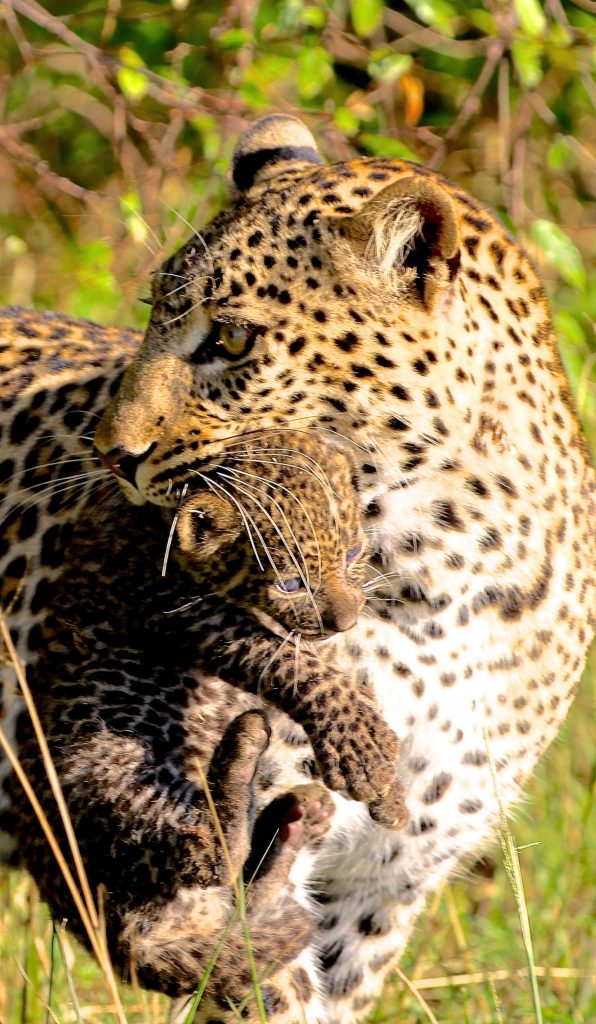
Location: Olare Motorogi Conservancy, Kenya
Where we stayed: Mahali Mzuri
Leopards: baby leopards are born with their eyes closed and are entirely dependent on their mother for the first few months of their life. It takes c.10 days for their eyes to open fully, and during this time, they rely on their sense of touch and smell to navigate their surroundings. Baby leopards stay with their mother until they are around 2 years old. Survival rates for baby leopards in the wild is relatively low, with estimates ranging from 30% to 50%.
We love leopards! Incredibly lucky to see this mother moving its cub.
Collective Noun: a ‘leap of leopards’
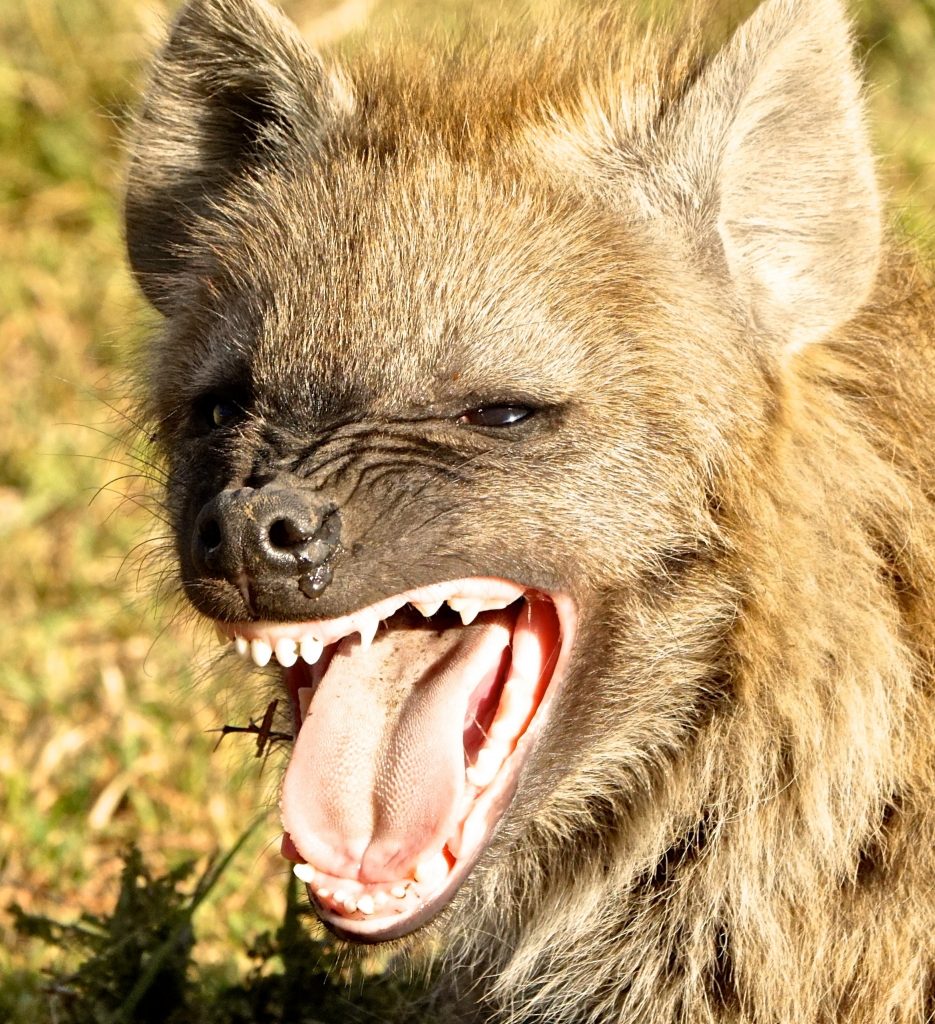
Location: Olare Motorogi Conservancy, Kenya
Where we stayed: Mahali Mzuri
Hyenas: female hyenas are larger and more aggressive than males, and they establish dominance over the males from a young age. In hyena clans, females are the primary hunters and protectors of their territory, while males play a subordinate role. Additionally, female hyenas have a unique reproductive system where they have pseudo-penises that are used for mating, making it difficult to distinguish between males and females at a glance.
This baby did not look over joyed to see us!
Collective Noun: a ‘cackle of hyenas’
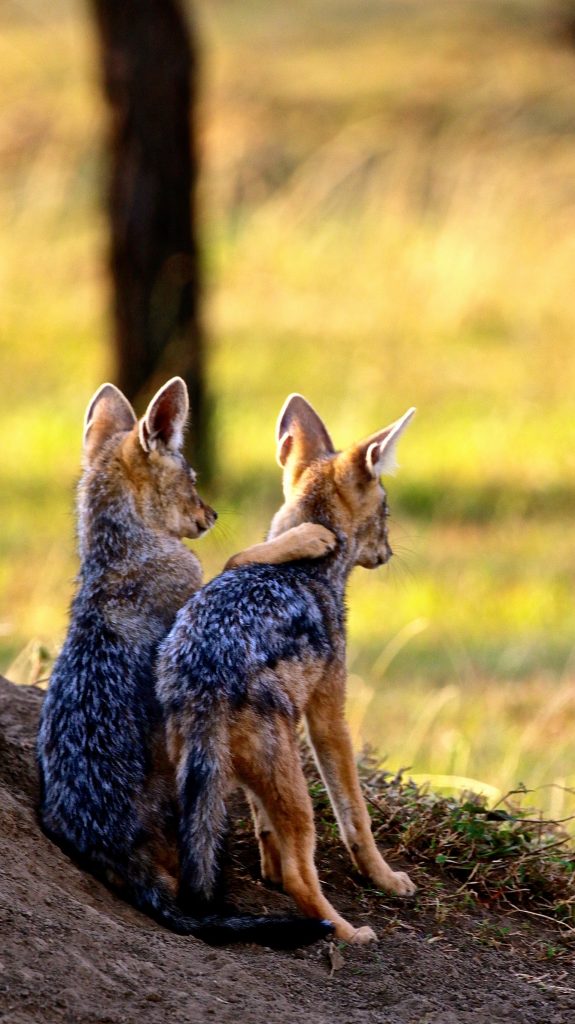
Location: Olare Motorogi Conservancy, Kenya
Where we stayed: Mahali Mzuri
Jackals: jackals are highly adaptable and can thrive in a wide range of habitats, from deserts to forests to grasslands. They are opportunistic feeders and will eat almost anything, including small animals, insects, fruits, and carrion. Jackals are also known for their strong social bonds, living in packs that can range in size from just a few individuals to up to 30 or more. Within the pack, there is a strict hierarchy, with dominant pairs leading the group and younger or subordinate individuals helping to raise and care for the young.
This pair of juveniles are just super cute!
Collective Noun: a ‘pack of jackals’
Location: Zambia, Zambezi River
Where we stayed: Tongabezi Lodge
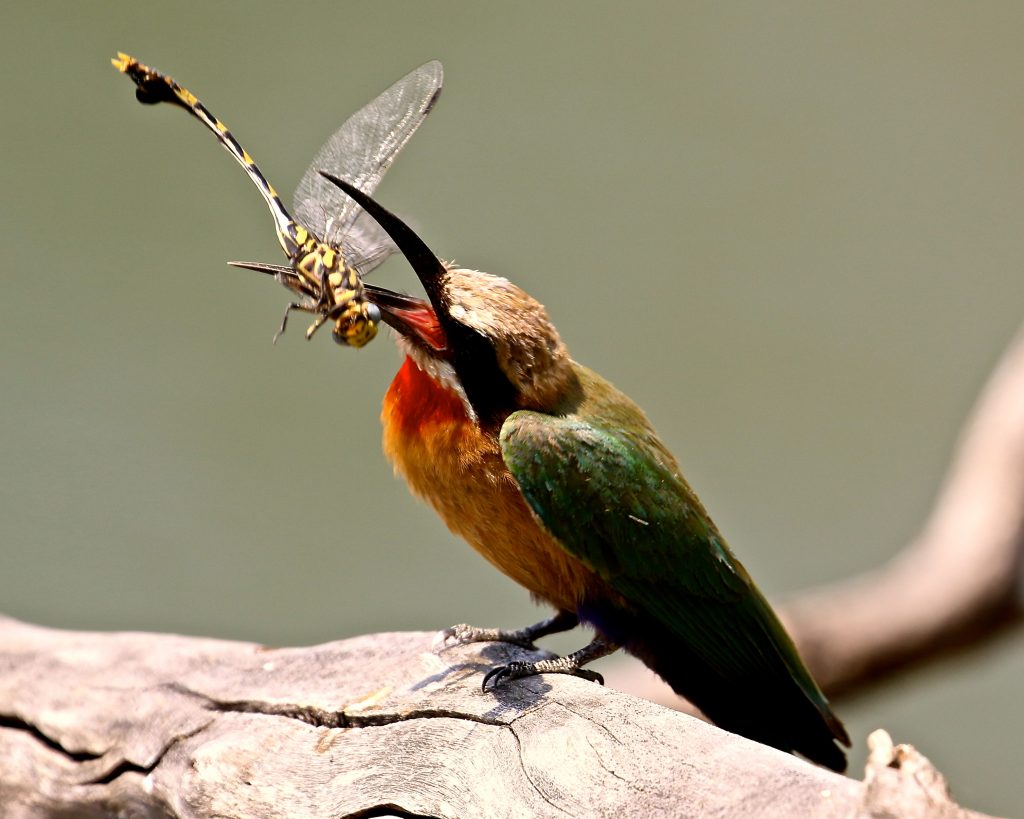
White-fronted Bee-eater. Bee-eaters are named for their unique diet consisting largely of bees and other flying insects, which they catch in mid-air using their long, sharp bills. Some bee-eater species have even evolved special adaptations to protect themselves from the stings of their prey.
Took a LOT of photos to capture this one!
Collective Noun: a ‘colony of bee-eaters’
Location: Zambia, Lower Zambezi National Park
Where we stayed: Anabezi Lodge
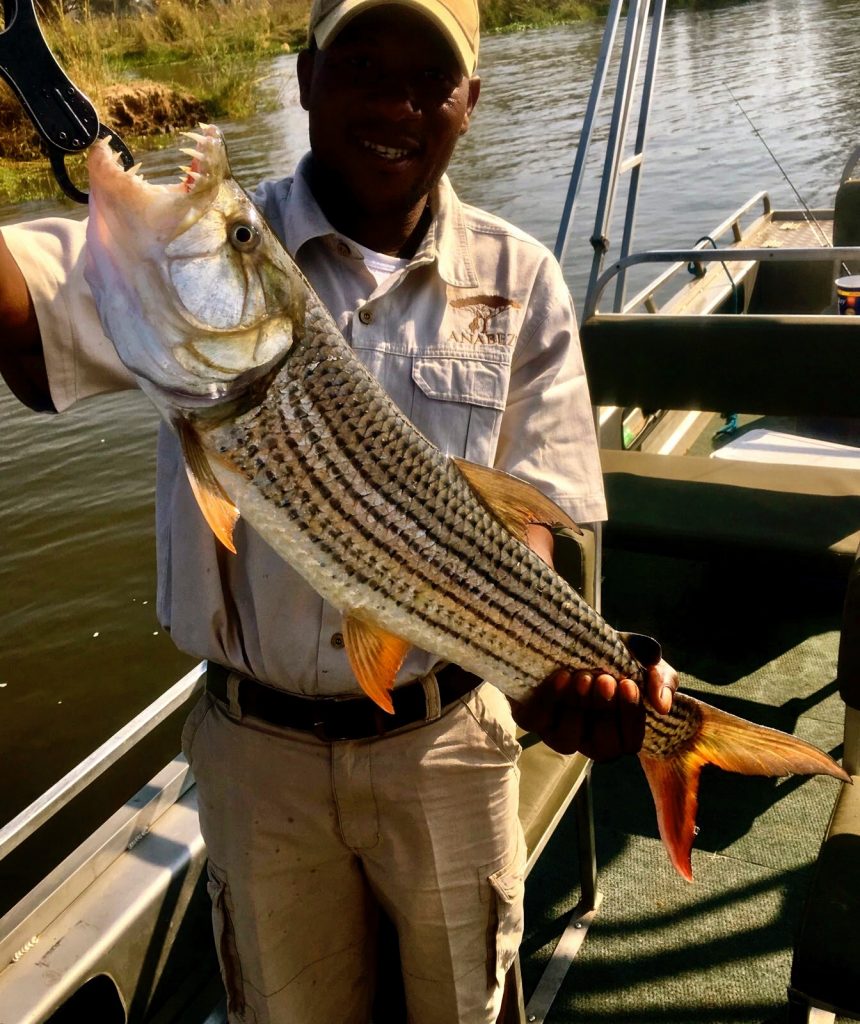
Tiger Fish. Tiger fish have an incredible sense of hearing, which they use to detect vibrations in the water caused by their prey. They have a specialized organ called the Weberian apparatus that helps them to sense these vibrations, even in murky or low-light conditions. They are amongst the most fearsome predators in freshwater ecosystems.
Wanted to see one of these ever since watching River Monsters – caught this on my 40th birthday. Catch and release – obviously.
Collective Noun: a ‘run of tiger fish’
Location: Zambia, South Luangwa National Park
Where we stayed: Mfuwe Camp
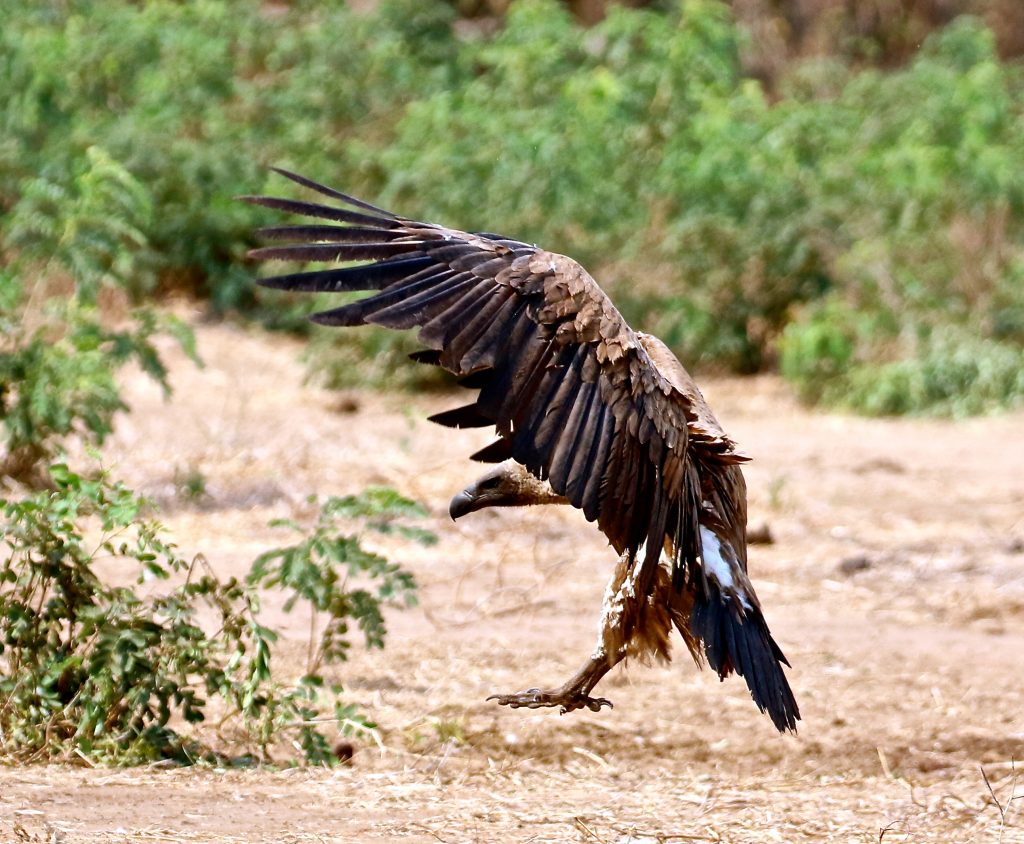
Vulture. Vultures play a critical role in ecosystems. As highly effective scavengers they help to prevent the spread of disease and decay. Their sharp beaks and powerful digestive systems allow them to consume bones and other tough tissues that other animals cannot.
They get rough press – but we’d be in trouble without them.
Collective Noun: a ‘wake of vultures’
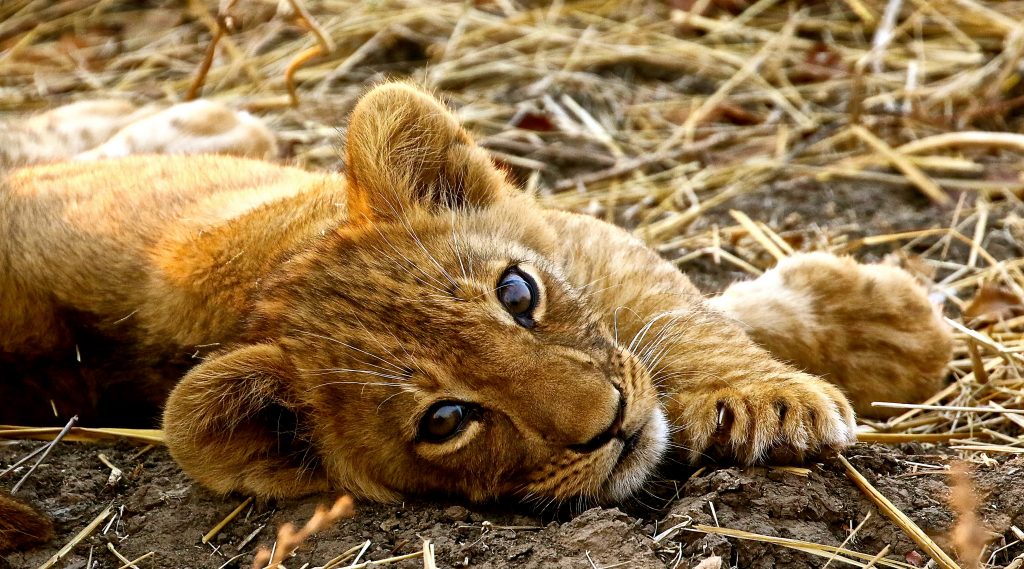
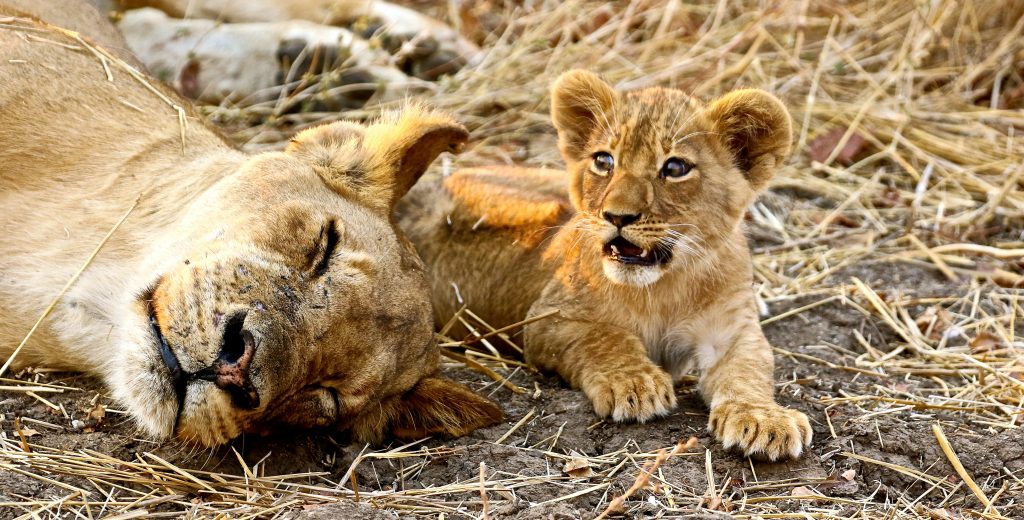
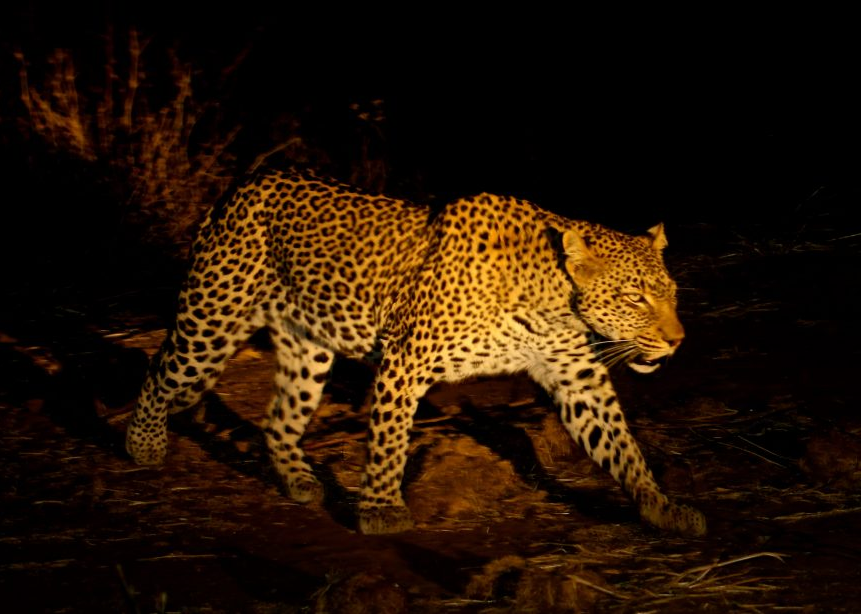
Location: Zambia, Lower Zambezi National Park
Where we stayed: Anabezi Lodge
Leopard: Leopards are the most widely distributed of all the big cats, with a range that extends across much of sub-Saharan Africa and into parts of Asia, including India, Sri Lanka, and parts of Southeast Asia. However, despite their wide range, leopard populations have declined significantly in recent years, primarily due to habitat loss, poaching, and other human activities.
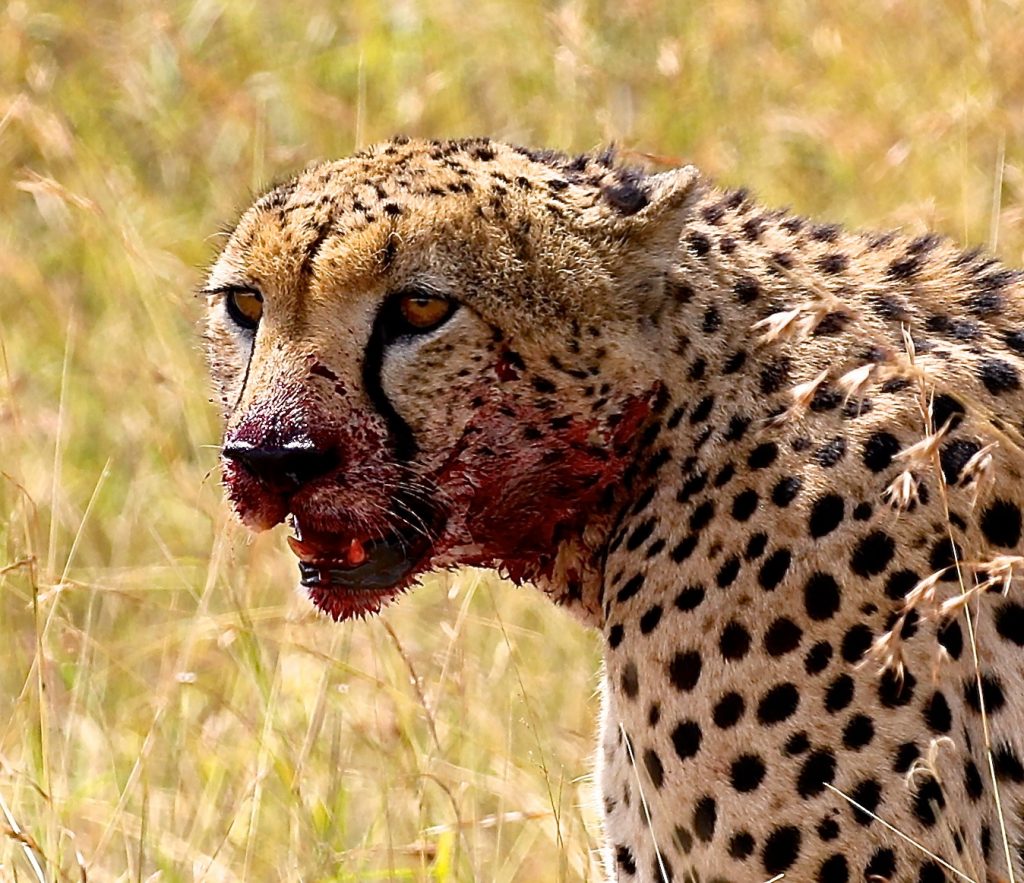
Location: Olare Motorogi Conservancy, Kenya
Where we stayed: Mahali Mzuri
Cheetah: Cheetah’s have unique social behavior compared to other big cats. While most big cats are solitary animals, cheetahs are often found in small groups known as coalitions – typically made up of related males. Cheetahs are also known for their distinctive facial markings, which include black “tear stains” that run from the inner corner of their eyes down to the corners of their mouth – helping reduce glare from the sun.
Collective Noun: a ‘coalition of cheetahs
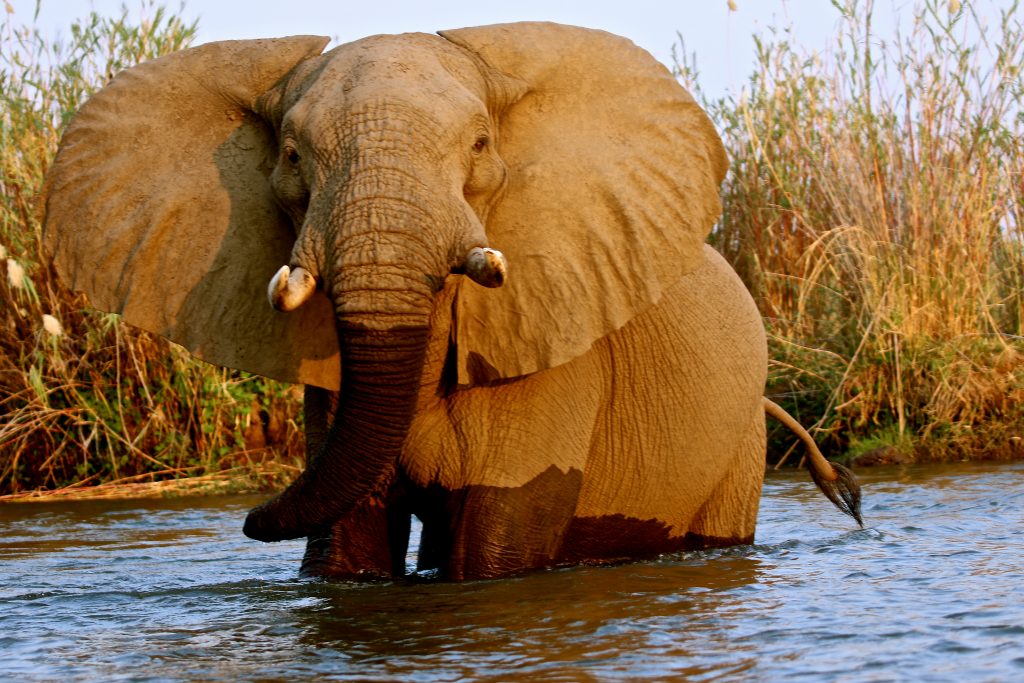
Location: Zambia, Lower Zambezi National Park
Where we stayed: Anabezi Lodge
Elephant. Elephants use a range of vocalizations, gestures, and physical contact to communicate with each other, and have been observed exhibiting behaviours such as empathy, altruism, and even mourning.
Being in a canoe and a few feet away from this chap certainly put life in perspective!
Collective Noun: a ‘herd of elephants’

